
Using Official Fan Books and Setting Guides to Understand Details Missing From the Main Story
Finishing a massive manga series, fantasy novel trilogy, or story-driven video game often leaves readers staring at the final page with unanswered questions. A key villain’s childhood motivation remains ambiguous, an ancient magic system lacks defined operational rules, or a five-year time skip leaves critical off-screen historical events unexplained.
Main stories naturally prioritize narrative pacing, emotional climaxes, and character arcs over encyclopedic world-building. Consequently, fascinating background details end up cut from the primary text during the editing process.
When seeking answers to these unresolved narrative gaps, fans stand at a decision fork: rely on unverified community wikis – where fan fiction and speculative “fanon” are frequently regurgitated as official fact – or consult official secondary literature. Navigating official fan books, databooks, and setting guides requires a structured selection methodology to identify which book category actually holds the answers you need, how to audit canonical hierarchy, and how to spot retcons.

Finding the right supplementary book for your specific lore question
The most common mistake pop-culture enthusiasts make is purchasing the wrong type of supplementary publication. Buying a high-end “Artbook” when you are looking for complex magical system rules or character age timelines wastes money, as artbooks prioritize visual illustrations over text.
To make an informed purchase decision, map your specific unresolved lore query directly to the correct supplementary book category using this decision guide:
| Unresolved lore query | Target book category | Where to look inside the book | Canon verification marker |
| Character age, backstory, or motives | Character Databook / Profile File | Individual character profiles & early draft notes | Official publisher copyright (e.g., Shueisha, Kodansha) |
| Magic system, tech limits, or geography | Worldbook / Setting Guide | Glossary & system rulebook sections | Official publisher terminology list |
| Visual designs & discarded locations | Artbook / Concept Design Works | Margin caption notes beneath sketches | Production studio approval seal (e.g., MAPPA, Wit) |
| Chronological dates & off-screen events | Official Chronicle / Timeline | Chronology index & chapter timeline | Author/Committee release year |

Tactical navigation through indices, glossaries, and marginalia
Once you acquire the correct setting publication, do not read it cover-to-cover like a traditional novel. Reference literature is designed for targeted data extraction.
Bypassing general text via cross-referenced indices
To resolve a specific question in under two minutes, bypass the primary narrative chapters and flip directly to the index at the back of the book. Look up the specific character name, spell title, or historical battle. High-quality databooks utilize cross-referenced page listings, allowing you to see every instance where that specific term appears across character profiles, timeline charts, and world maps simultaneously.
Mining marginalia, footnotes, and interview transcripts
The highest-value lore in setting guides is rarely located in the primary bold headers. Instead, inspect the small text surrounding the page margins:
- Editor Marginalia: Small side notes written by manga editors explaining why a specific scene was trimmed from a chapter.
- Draft Excerpts: Early concept sketches and discarded script outlines showing how a character’s powers or backstories were originally designed before being altered for the main release.
- Author Interview Transcripts: Q&A sections at the back of the book where the creator directly answers fan questions about off-screen world events.
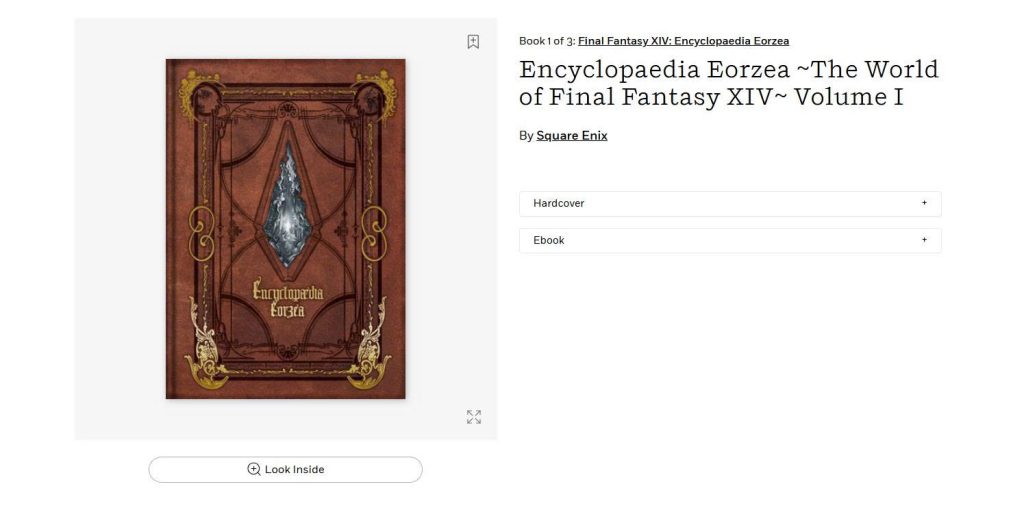
Resolving lore contradictions and spotting unofficial fanon
Not all published guides maintain equal canonical authority. When information in a setting book conflicts with the primary story or online discussions, apply these strict verification rules.
The retcon rule: When main story canon overrides guidebooks
A frequent dilemma occurs when an early databook contradicts events depicted in the final chapters of a manga or game. For example, an early setting guide might list a character’s hometown as “Village A,” but a later manga chapter explicitly reveals they were born in “City B.”
Apply the Primary Canon Rule: The original primary text (the main manga, novel, or game) always overrides secondary guidebooks in cases of contradiction. Guidebooks published early in a series’ lifespan often reflect draft concepts that the author later altered (retroactive continuity, or “retconned”) during actual narrative execution. Treat guidebooks as secondary reference material that yields to the primary media.
Publisher copyright audits to filter out fan-made wikis
Uncredited internet wikis and unauthorized third-party companion books frequently blend official lore with speculative fan theories. Before trusting any written claim as absolute canon, audit the publication’s copyright page (typically located on the inside back cover).
An official, canon-guaranteed setting guide explicitly credits the original author, production committee, or licensed publisher (e.g., © Eiichiro Oda / Shueisha or © Square Enix Co., Ltd.). If a book or digital guide lacks official corporate copyright credentials, treat its contents as unverified fan speculation.